“Our sensor failed after only two weeks due to moisture – is there a more robust alternative?” We get this question particularly often from the food, beverage and pharmaceutical industries. Cleaning processes with steam, high-pressure or chemical cleaners pose very special challenges for sensor technology. What many people don’t know is that not only the sensor itself, but also the material, optics, cable and chemical resistance determine the service life.
The typical cause of failures
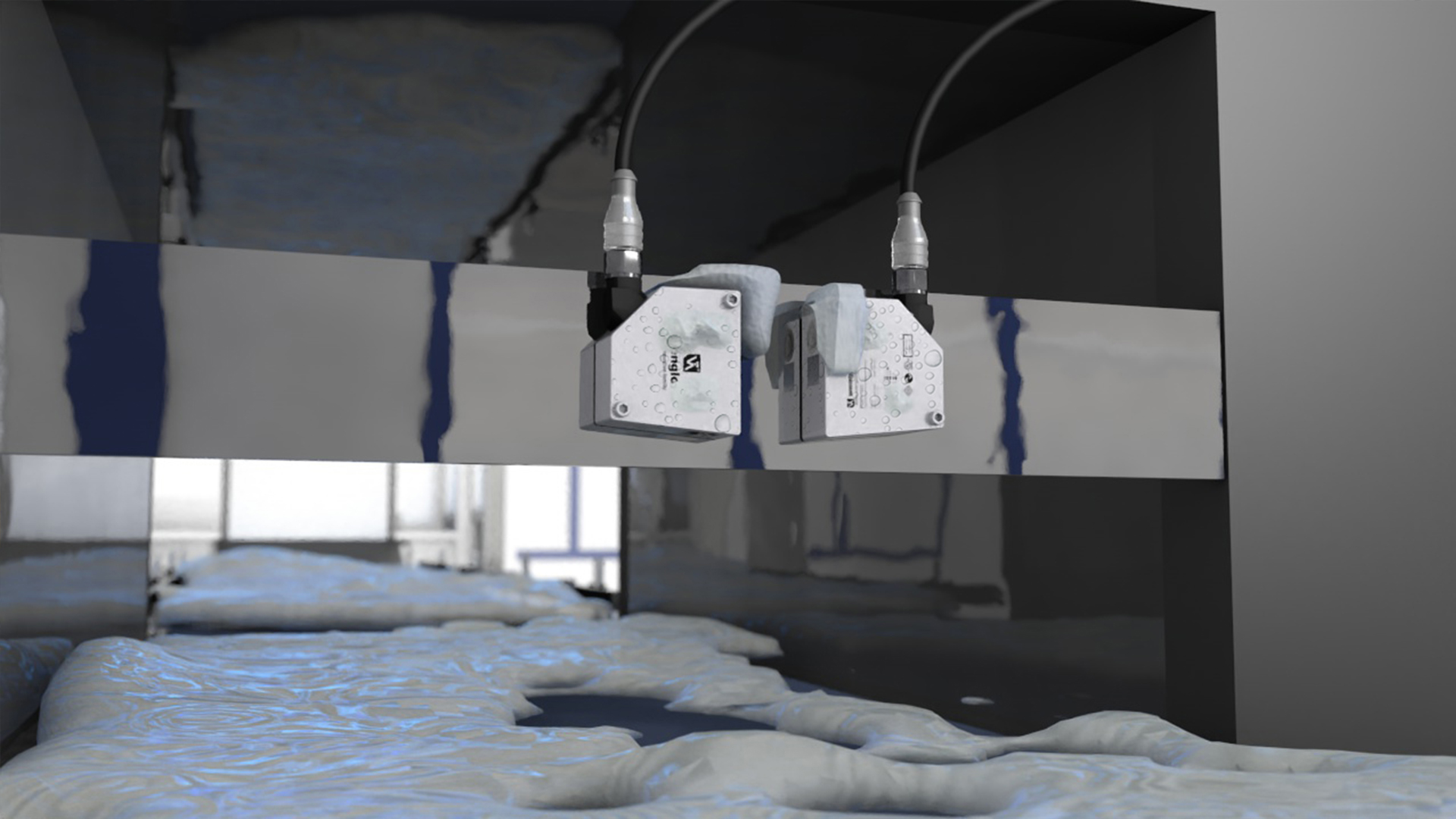
In filling, packaging or processing plants, there is often permanently high humidity. In addition, machines are regularly treated with hot cleaning media, high pressure and sometimes aggressive chemicals. Standard sensors, which are designed for normal industrial environments, quickly reach their limits here.
Moisture penetrates insidiously, steam condenses in the housing or on the connector – the result is short circuits, corrosion or blinded optics.
Why IP67 is often not enough
Many users pay attention to the protection class – but overlook the fact that IP67 only describes temporary submersion. In hygienic production environments, however, the following have an effect:
- Hot steam
- High-pressure cleaning
- Permanent moisture
- Chemical cleaners
This is where IP69K is crucial. This degree of protection is specially designed for high-pressure and steam jet cleaning and protects sensors in wet environments from water ingress under extreme conditions.
An often underestimated point: the cable
Even if the sensor has IP69K, a standard cable is often used. This is exactly where leaks occur at the transition from the sensor plug to the cable socket. Water vapor enters, the pins begin to rust – and the sensor appears to be “defective” even though the problem is outside the device.
Important: Sensor and cable must meet the same protection class.
Chemical influences – why optics become “blind”
Oxidizing cleaners such as hydrogen peroxide (H₂O₂) are often used in cleaning work in the food industry. Classic optical windows are often made of PMMA (plexiglass). This material can become cloudy at higher concentrations or temperatures – the sensor no longer “sees” anything.
Glass optics are much more durable here. Likewise, housings made of ABS or similar plastics should be avoided, as they are sensitive to many solvents.
The right choice of material
The following basic rules apply to long-term process reliability in washdown areas:
- V4A stainless steel housing
- IP69K degree of protection
- Glass optics instead of PMMA for aggressive media
- Pay attention to chemical resistance (e.g. ECOLAB certification)
- Also check accessories such as reflectors and cables for durability
In very aggressive environments or frequent cleaning, plastic-free solutions made of stainless steel and glass have a clear advantage.
Special case: Ultrasound in a humid environment
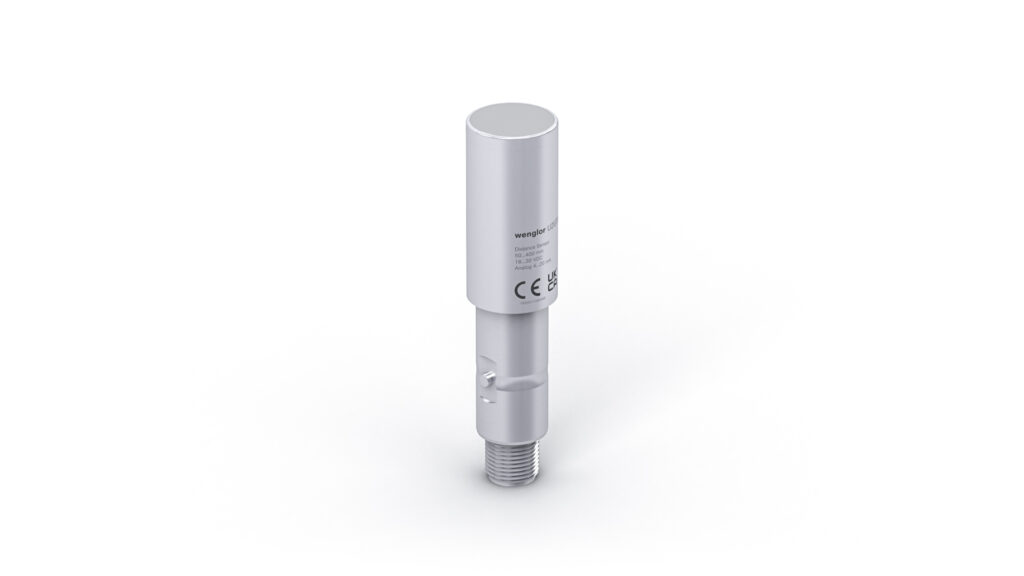
Especially for transparent objects or foils, ultrasound can be the better choice. U2GT series stainless steel ultrasonic sensors with a fully protected membrane are particularly resistant to moisture and cleaning processes.
Conclusion
If sensors fail prematurely in damp or wet environments, the cause is usually not the product itself, but the wrong degree of protection, unsuitable materials or accessories that are not washdown-compatible.
With IP69K sensors, suitable cables, chemically resistant materials and glass optics, the service life can be significantly increased and downtime can be avoided.