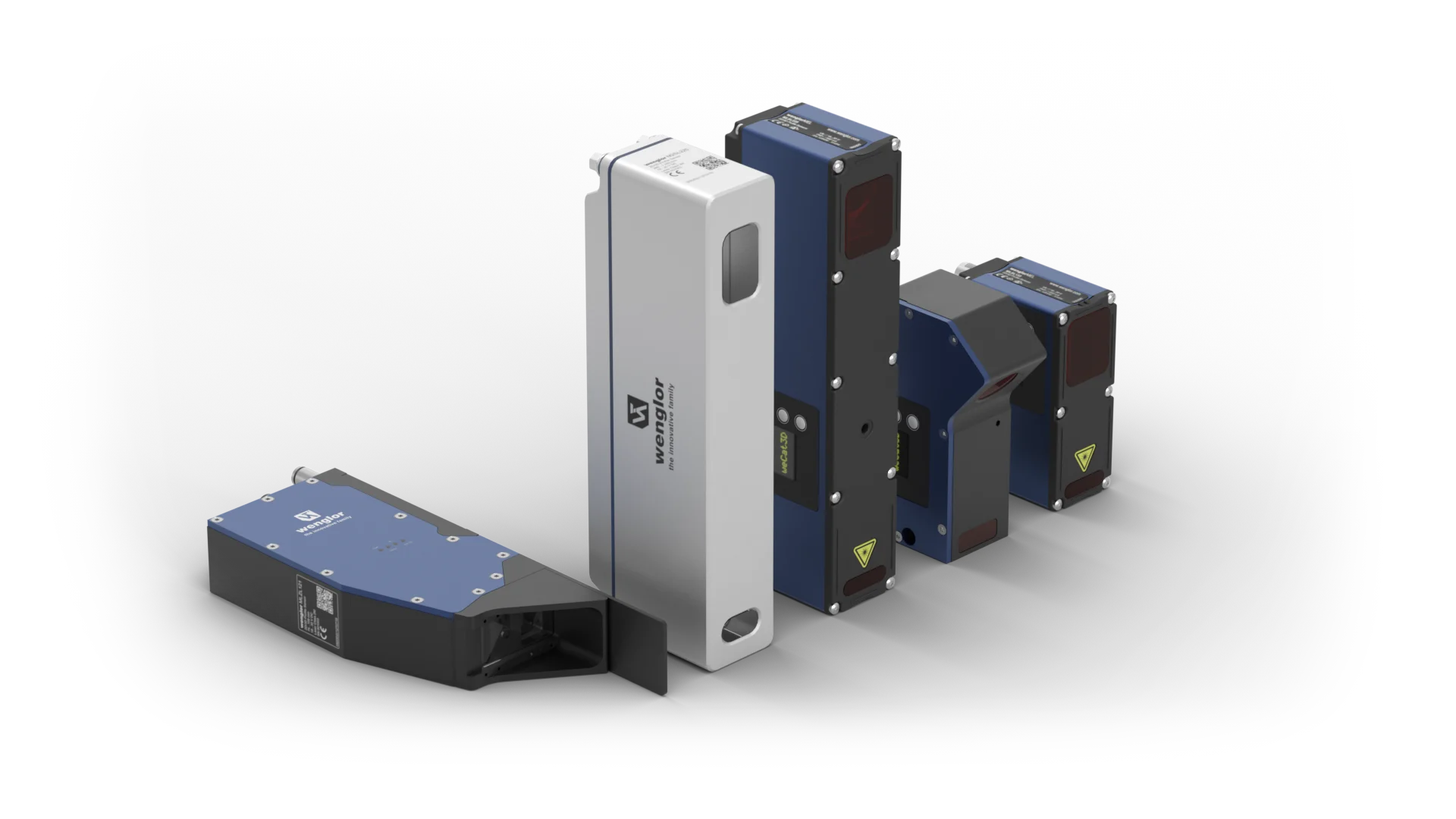
“Blue light, red light, infrared or laser – what do I use and when?” We regularly get this question about the right type of light for optical probes from maintenance technicians, designers and special machine builders. And it is absolutely justified, because the type of light is a decisive factor in whether a sensor switches reliably – or not.
The choice of the appropriate light type for optical probes always depends on two things: the object and the environment.
Energetic reflex sensors (red light / infrared)
These sensors work on the principle of the amount of light reflected. The more light comes back from the object, the greater the possible sensing distance.
Typically suitable if:
- bright objects are to be detected
- The background is light-absorbing (e.g. black conveyor belt)
- There are no highly glossy or deep black surfaces
Not suitable for:
- very dark objects
- reflective surfaces
- Strong color differences in the process (different sensing distances!)
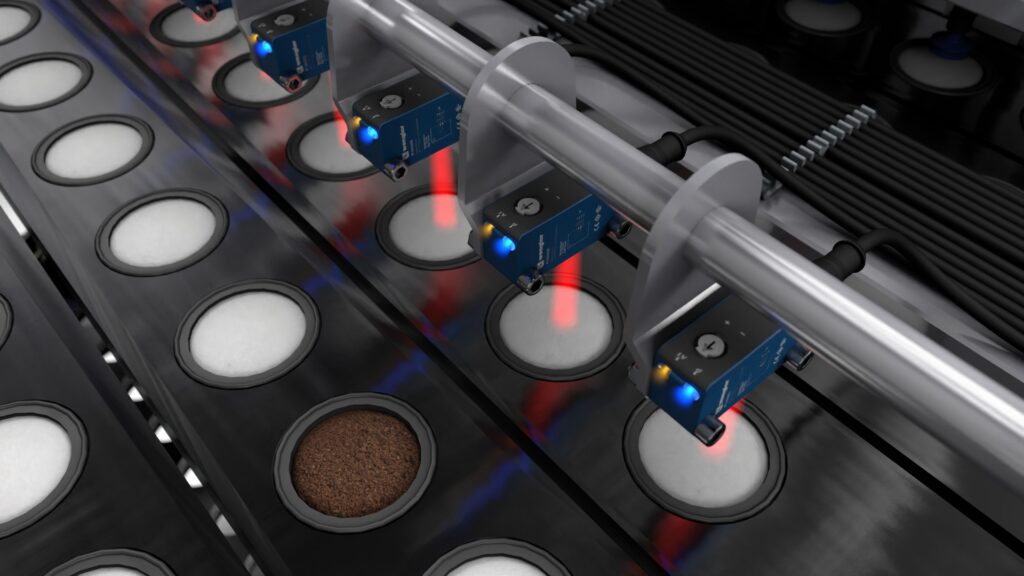
Reflex sensor with background suppression (blue light)
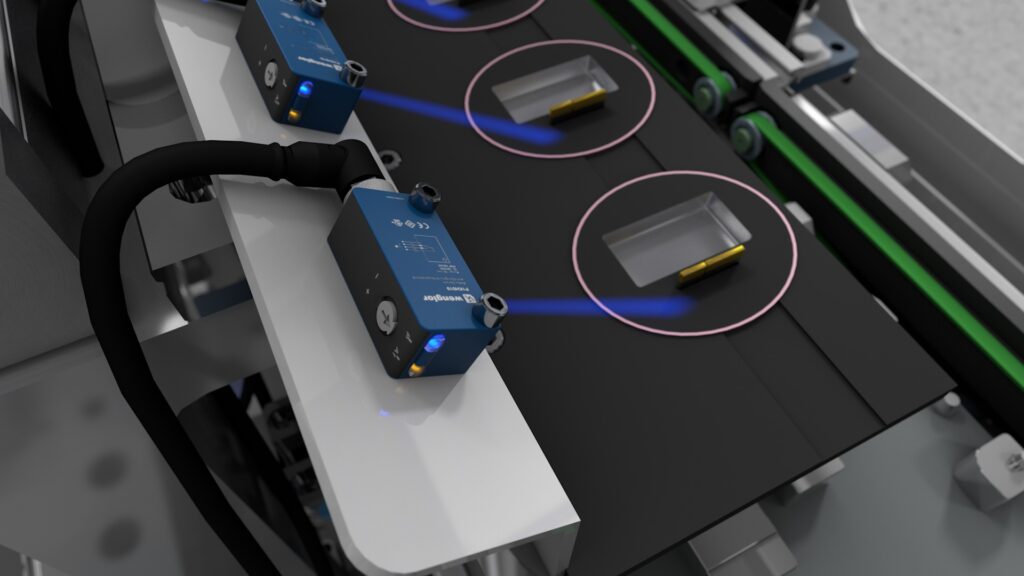
Here, it is not the amount of light that is evaluated, but the angle of reflection (triangulation principle). This means that the sensing distance remains almost colour-independent.
Ideal for:
- Black or shiny objects
- Changing surfaces
- Precise detection at close range
- Applications where you want to ignore the background
Blue light has advantages here, as the shorter wavelength penetrates less deeply into challenging surfaces.
Laser distance sensors with time-of-flight measurement (ToF, red/IR laser)
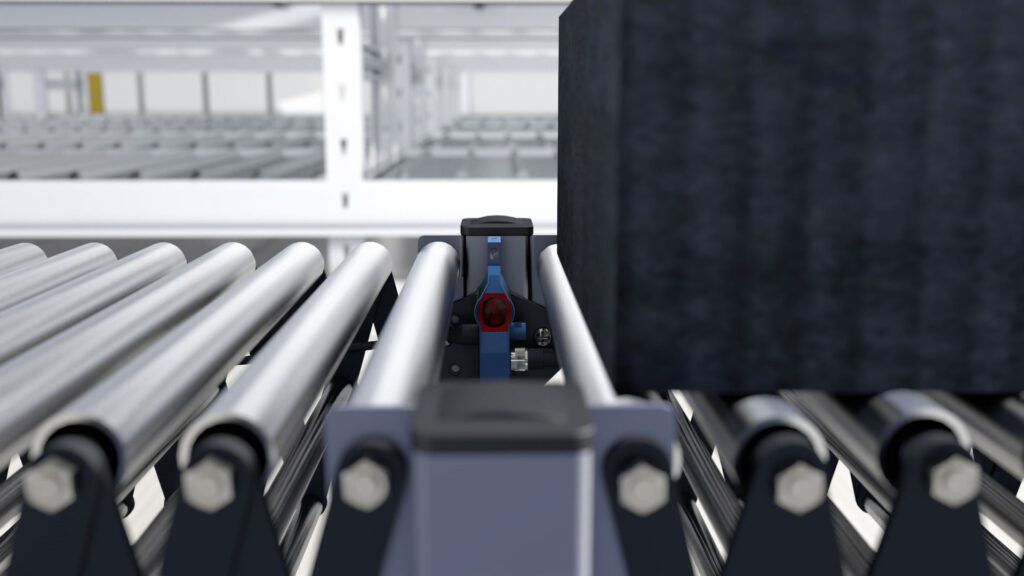
When distances become greater or objects are positioned at an angle, classic reflex sensors reach their limits. This is where ToF sensors come into play.
Pros:
- Very high insensitivity to ambient light
- Long ranges
- Reliable detection even with inclination, gloss or color change
- Can be mounted side by side without mutual influence
wenglor in particular also uses wintec technology , which enables measurements independent of colour and surface.
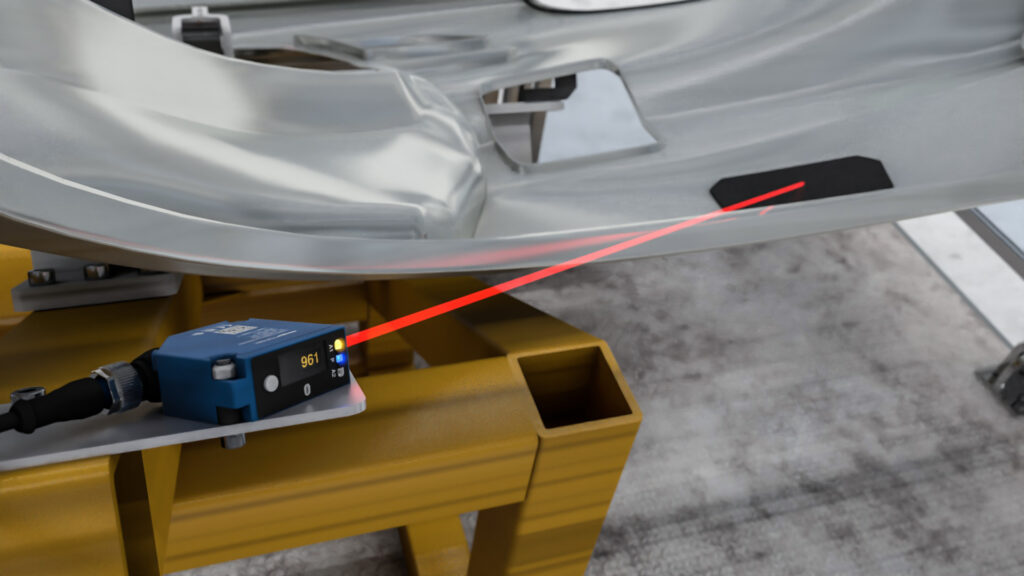
Laser Distance Sensors Triangulation (Red/Blue Laser)
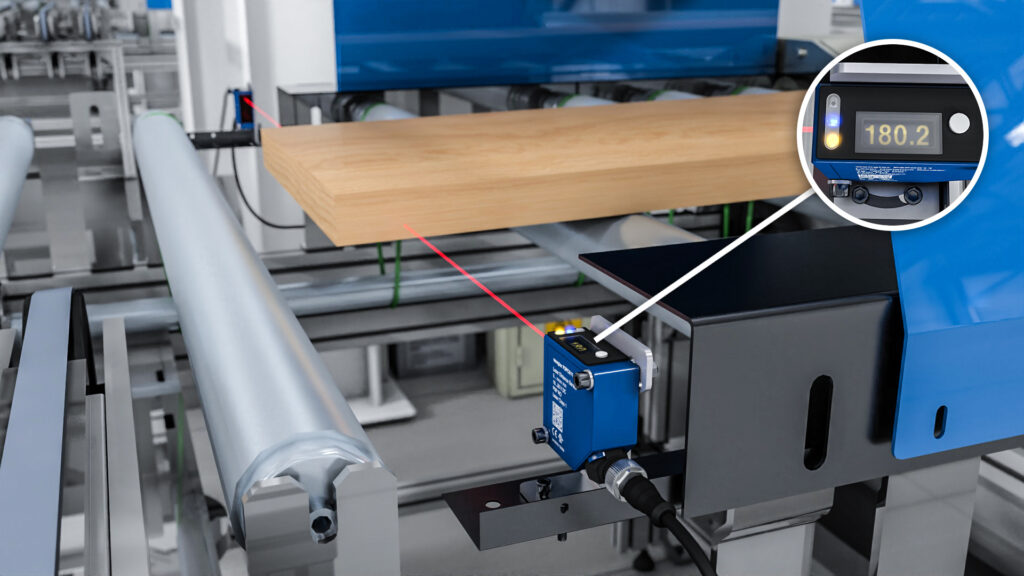
When it comes to high-precision distance measurements – sometimes in the μm range – there is no way around triangulation.
Typical applications:
- Thickness measurement
- Position control
- Quality Inspections
- Surface Measurement
Regardless of color, structure or shape, these sensors provide very stable readings at close range.
Infrared – when visibility interferes or dust flies
IR light has a wider beam angle and is often used when:
- the point of light should not be visible
- dusty or foggy environments
- larger working areas are needed
Disadvantage: Very small objects are more difficult to detect.
In a nutshell
| Situation | Recommended light type |
| Light object against dark background | Red light / infrared (energetic) |
| Black, glossy or changing surfaces | Blue light (background suppression) |
| Long distance, difficult angles, ambient light | Laser Time-of-Flight |
| Highest measurement accuracy | Laser Triangulation |
| Dust, fog or invisible light point desired | Infrared |
Why this matters
An incorrectly selected sensor type often leads to sporadic false triggers – e.g. after a packaging change or in the case of dirty optics. If you choose the right type of light, you will avoid exactly these problems from the start.