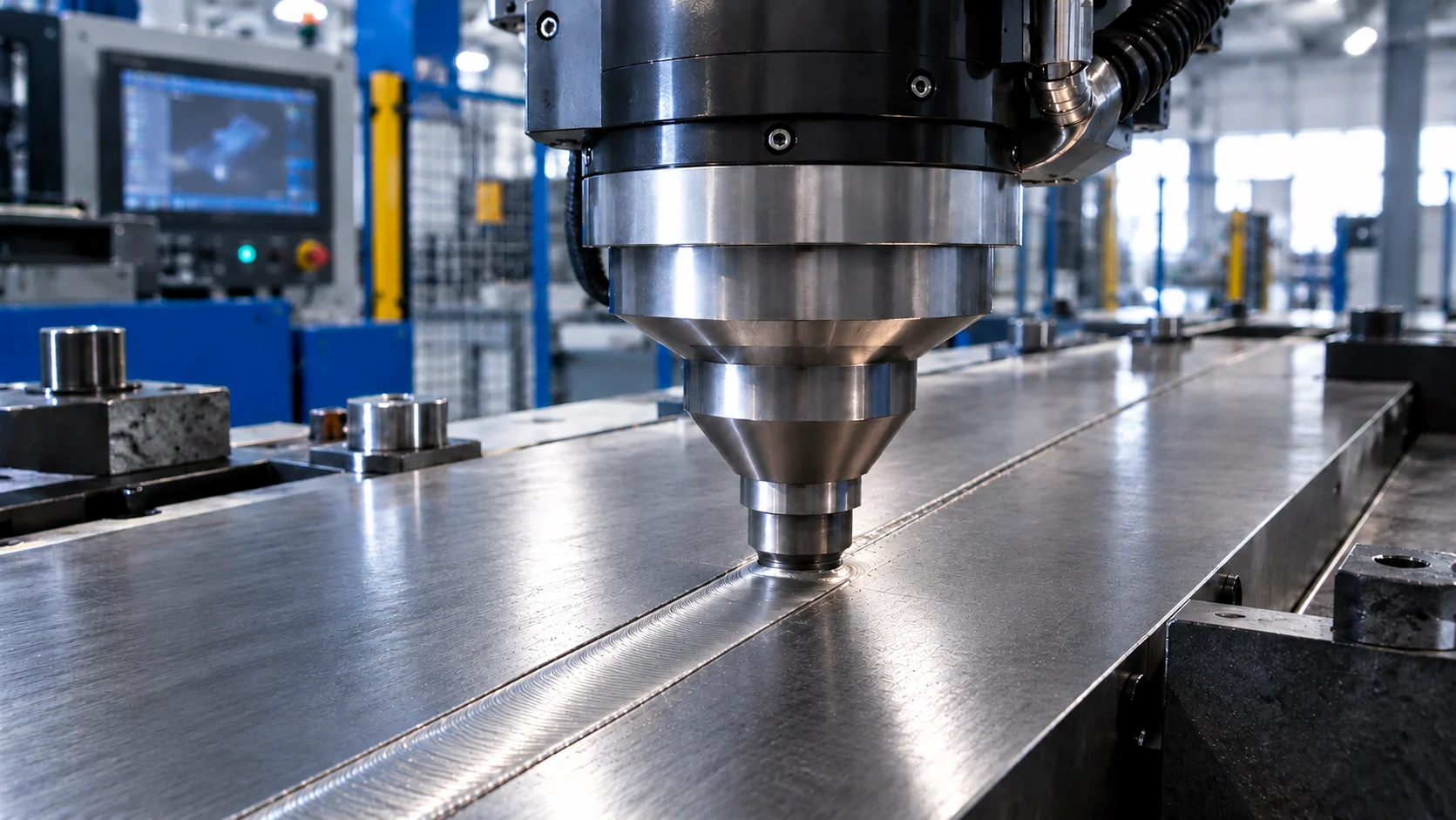
In industrial cheese processing, automated cheese rind removal is a critical process step for downstream portioning and packaging. The challenge: Since natural products such as cheese wheels vary greatly in thickness as well as due to local height and shape deviations, static processing reaches its economic limits.
Why automated cheese rind removal requires precise milling depths
If the milling depth is fixed, two costly scenarios arise:
- Minimize cheese loss: In areas with a thin rind, valuable cheese core is removed, which reduces the yield.
- Quality assurance: Residues remain in areas with thick bark, causing time-consuming manual reworking or rejects.
Surface measurement for precise milling
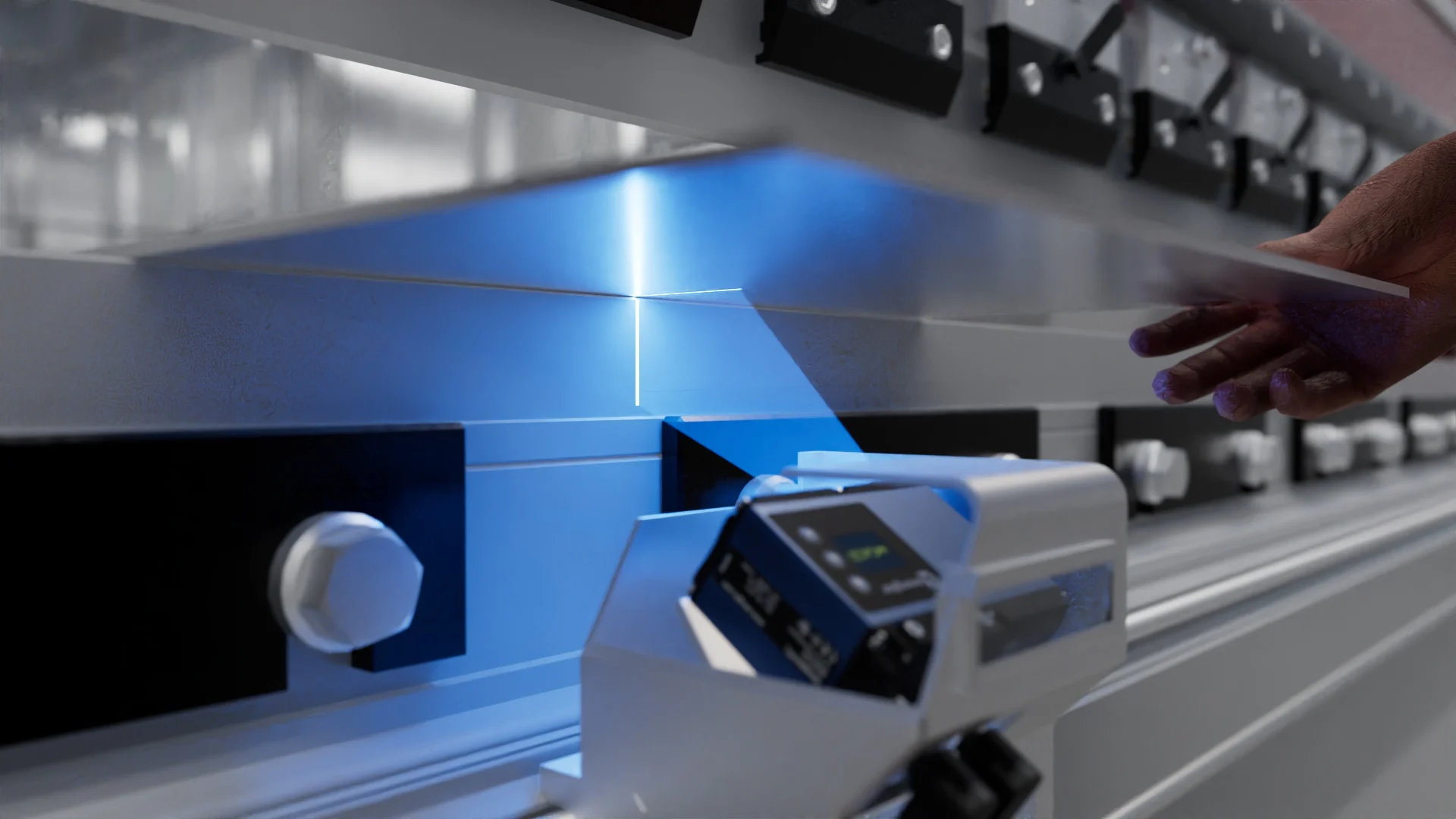
In order to remove the cheese rind efficiently, the surface is measured in advance. The system creates a precise height profile, identifies the deepest point of the rind and calculates the maximum milling depth required. This data enables adaptive milling depth control, which adjusts the tool to the surface structure in real time.
Maximum hygiene with wenglor sensors
The wenglor solution is based on the 2D/3D profile sensors of the M2SL series and the uniVision software. This combination offers decisive advantages for the food industry:
Hygienic Design
The M2SL series sensors have a stainless steel housing with IP69K protection and are ECOLAB certified. They can easily withstand intensive chemical cleaning processes.
Large measuring range
Thanks to a field of view of up to 1,350 mm (x) and a measuring range of up to 1,200 mm (z), a wide variety of cheese block sizes can be reliably detected in a single measuring process.
All-in-one system
The seamless integration of hardware and software reduces commissioning effort and ensures consistently high, reproducible product quality.
This metrologically supported approach enables manufacturers to optimize their use of raw materials and increase the efficiency of their entire line.